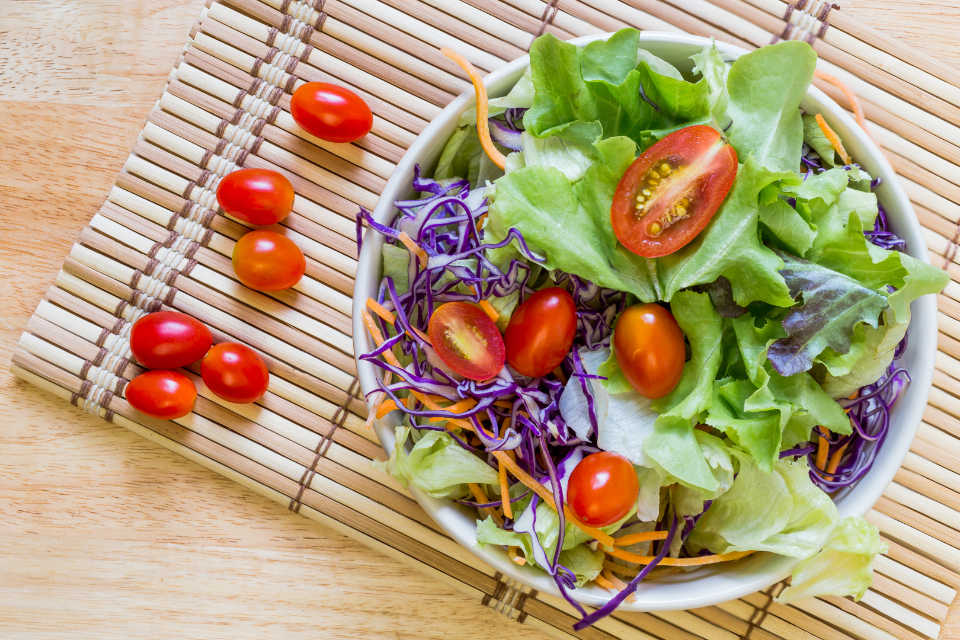
Eating well does not have to be expensive. Many people assume healthy food means specialty products and premium grocery stores, but some of the most nutritious foods are also among the cheapest. With a bit of planning and a few smart habits, you can build balanced meals that support your health and your budget at the same time.
Start With the Basics of a Balanced Plate
A simple way to plan balanced meals is to picture your plate.
- Half vegetables and fruit: aim for variety and color.
- A quarter whole grains or starchy foods: brown rice, oats, whole wheat bread, potatoes.
- A quarter protein: beans, lentils, eggs, fish, poultry, tofu, or lean meat.
- A small amount of healthy fats: olive oil, nuts, seeds.
You do not need perfect portions at every meal. The goal is a pattern that, over a week, includes plenty of plants, fiber, and protein while limiting highly processed foods and sugary drinks.
Plan Before You Shop
Make a weekly meal plan
Planning even four or five dinners ahead reduces impulse purchases and last-minute takeaway. Choose meals that share ingredients so nothing goes to waste. For example, a bag of spinach can go into an omelet, a pasta sauce, and a lentil soup in the same week.
Check what you already have
Before shopping, look through your fridge, freezer, and cupboards. Build meals around ingredients that need using up.
Write a list and stick to it
A list keeps you focused. Supermarkets are designed to encourage extra purchases, so shopping with a plan is one of the most effective ways to save.
Budget-Friendly Nutrient Powerhouses
Legumes
Dried or canned beans, lentils, and chickpeas are inexpensive sources of protein, fiber, iron, and folate. They can replace or stretch meat in curries, stews, soups, salads, and pasta dishes.
Eggs
Eggs provide high-quality protein and several vitamins at a low cost per serving. They work for breakfast, lunch, or dinner.
Oats and whole grains
Rolled oats, brown rice, barley, and whole wheat pasta are filling, affordable, and rich in fiber when bought in bulk.
Frozen fruits and vegetables
Frozen produce is often picked and frozen at peak ripeness, so it can be as nutritious as fresh. It lasts for months, which reduces waste, and is ideal for soups, stir-fries, and smoothies.
Seasonal produce
Fruits and vegetables in season are usually cheaper and tastier. Root vegetables, cabbage, carrots, onions, and bananas are typically affordable year-round.
Canned fish
Canned sardines, mackerel, and tuna offer protein and, in oily fish, omega-3 fatty acids at a fraction of the price of fresh fillets.
Smart Shopping Strategies
- Compare unit prices rather than package prices to find the best value.
- Try store brands, which are often made to similar standards as name brands.
- Buy staples in bulk if you have space and will use them before they expire.
- Shop the outer aisles and basic ingredients rather than pre-prepared meals and snacks.
- Use discounts wisely. A deal is only a saving if you would have bought the item anyway.
- Check reduced-price sections for items near their date that you can cook or freeze the same day.
Cooking Strategies That Save Money
Batch cook
Cooking large portions of soups, stews, chili, or grain dishes saves time and money. Divide them into portions for lunches or freeze them for busy evenings.
Make “planned leftovers”
Roast a whole chicken or a tray of vegetables and use the leftovers in wraps, salads, or fried rice the next day.
Cook from scratch more often
Simple homemade meals almost always cost less than ready meals or delivery. Basic skills such as making a tomato sauce, cooking rice, and roasting vegetables go a long way.
Use flavor boosters
Garlic, onions, spices, herbs, lemon juice, and vinegar make inexpensive ingredients taste great. A well-stocked spice shelf turns beans and grains into satisfying meals.
Reduce Food Waste
Wasted food is wasted money. Try these habits:
- Store food properly. Keep herbs in water, store bread in the freezer if you eat it slowly, and learn which produce should be refrigerated.
- Use first in, first out. Move older items to the front of the fridge and cupboard.
- Understand date labels. “Use by” dates relate to safety, while “best before” dates usually relate to quality.
- Repurpose leftovers. Stale bread becomes breadcrumbs, overripe bananas become baking, and vegetable scraps become stock.
A Sample Budget-Friendly Day
- Breakfast: oatmeal with a sliced banana and a spoonful of peanut butter.
- Lunch: leftover lentil and vegetable soup with whole grain bread.
- Snack: a carrot and a handful of roasted chickpeas.
- Dinner: egg fried rice with frozen peas, carrots, cabbage, and soy sauce.
This day provides fiber, protein, healthy fats, and plenty of vegetables at a modest cost.
Feeding a Family Without Overspending
Families face extra pressure because portions are larger and tastes vary. A few approaches make healthy eating easier for everyone.
Involve children in planning
Let children choose one vegetable or one dinner each week. People of all ages are more likely to eat food they helped select or prepare, and it builds useful kitchen skills.
Cook one base, customize the toppings
A pot of rice, a tray of roasted vegetables, or a batch of beans can become tacos, grain bowls, or wraps. Each person adds their own toppings, which reduces complaints and avoids cooking several separate meals.
Prepare healthy snacks in advance
Washed fruit, cut vegetables, homemade popcorn, and yogurt portions are cheaper than packaged snacks and make the healthy choice the easy choice when hunger strikes after school or work.
Swap sugary drinks for water
Soft drinks and juices are expensive and add a lot of sugar. Plain water, sparkling water, or water flavored with slices of citrus or cucumber cost little and support better health.
Frequently Asked Questions
Is organic food necessary for a healthy diet?
No. Eating more fruits and vegetables of any kind is far more important than whether they are organic. Choose what fits your budget.
Are canned vegetables healthy?
Yes, they can be. Look for options with no added salt or rinse them before use to reduce sodium.
How can I eat enough protein cheaply?
Combine eggs, legumes, canned fish, dairy such as yogurt, and smaller portions of meat. Mixing beans with grains provides a complete set of essential amino acids across the day.
The Bottom Line
Healthy eating on a budget comes down to planning, simple ingredients, and cooking at home. Build meals around legumes, whole grains, eggs, and seasonal or frozen produce, shop with a list, and make the most of leftovers. These habits support your health and leave more money in your pocket. This article is for general information; people with specific medical or dietary needs should consult a qualified professional.