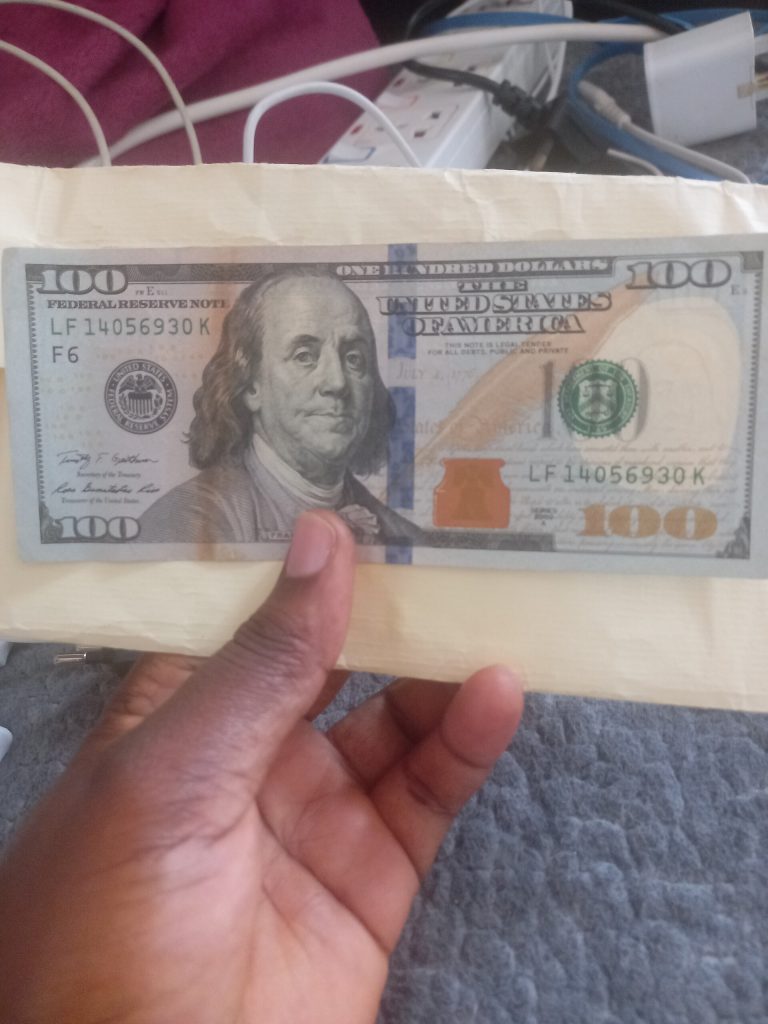
The foreign exchange market, commonly called forex or FX, is the largest financial market in the world, with trillions of dollars traded every day. Banks, corporations, governments, investment funds, and individual traders all participate. For beginners, forex can seem both exciting and confusing. This guide explains how the currency market works, the essential terminology, and the risks you need to understand before placing a single trade.
What Is the Forex Market?
Forex is a global, decentralized market where currencies are exchanged. Unlike a stock exchange with a central location, forex trading happens electronically between participants around the world. Prices move constantly as supply and demand for each currency change.
People use the forex market for many reasons:
- International trade: companies convert currencies to pay suppliers abroad.
- Travel and tourism: individuals exchange money for trips.
- Investment flows: investors buy foreign assets.
- Central bank operations: governments manage reserves and influence exchange rates.
- Speculation: traders aim to profit from changes in exchange rates.
Understanding Currency Pairs
Currencies are always traded in pairs because you buy one currency while selling another. A quote like EUR/USD 1.0850 means one euro costs 1.0850 US dollars.
- Base currency: the first currency in the pair (EUR in this example).
- Quote currency: the second currency (USD).
If you believe the euro will strengthen against the dollar, you would buy EUR/USD. If you believe it will weaken, you would sell.
Types of pairs
- Major pairs include the US dollar paired with other heavily traded currencies, such as EUR/USD, USD/JPY, GBP/USD, and USD/CHF. They usually have the highest liquidity and lowest trading costs.
- Minor or cross pairs do not include the US dollar, such as EUR/GBP or AUD/JPY.
- Exotic pairs combine a major currency with a currency from a smaller or emerging economy. They often have wider spreads and higher volatility.
Key Forex Terms
Bid, ask, and spread
The bid is the price at which you can sell, and the ask is the price at which you can buy. The difference between them is the spread, which is one of the main costs of trading.
Pips
A pip is a standardized unit of price movement. For most pairs, one pip equals 0.0001. For pairs involving the Japanese yen, one pip usually equals 0.01. If EUR/USD moves from 1.0850 to 1.0870, it has risen 20 pips.
Lots
Forex is traded in units called lots. A standard lot is 100,000 units of the base currency, a mini lot is 10,000, and a micro lot is 1,000. Smaller lots allow beginners to trade with less money at risk per pip.
Leverage and margin
Leverage allows traders to control a large position with a smaller deposit, called margin. With 1:30 leverage, for example, a deposit of 1,000 can control a position worth 30,000. Leverage magnifies both profits and losses, so a small adverse price move can wipe out a significant portion of your account. Many regulators cap leverage for retail traders because of this risk.
When Is the Market Open?
Forex trades 24 hours a day, five days a week, moving through major financial centers.
- Sydney and Tokyo session: the Asia-Pacific session, often active for yen and Australian dollar pairs.
- London session: typically the most liquid period, with heavy trading in European currencies.
- New York session: active for US dollar pairs, with significant volume when it overlaps with London.
Overlapping sessions often bring higher liquidity and tighter spreads, while quieter periods can see thinner trading and occasional sharp moves.
What Moves Currency Prices?
- Interest rates: higher interest rates can attract foreign capital and strengthen a currency.
- Inflation: persistently high inflation can erode a currency’s value.
- Economic data: employment, GDP growth, retail sales, and manufacturing reports influence expectations.
- Central bank communication: statements and policy decisions can trigger large moves.
- Political events and geopolitical risk: elections, conflicts, and policy uncertainty affect confidence.
- Market sentiment: in times of stress, investors often move toward currencies viewed as safe havens.
The Risks of Forex Trading
Forex trading carries a high level of risk and is not suitable for everyone. Regulators in many countries require brokers to disclose that a large percentage of retail accounts lose money trading leveraged products. Key risks include:
- Leverage risk: losses can exceed what you expected and, depending on the broker and jurisdiction, potentially your deposit.
- Volatility: prices can move quickly, especially around major news.
- Gaps and slippage: orders may be filled at worse prices than expected.
- Broker risk: unregulated brokers may manipulate prices or refuse withdrawals.
- Psychological risk: fear and greed often lead to impulsive decisions.
How Beginners Can Start Responsibly
- Educate yourself first. Learn the basics of analysis, risk management, and trading psychology before risking money.
- Choose a regulated broker. Check that the broker is licensed by a reputable financial authority and review its fees, spreads, and withdrawal terms.
- Practice on a demo account. Most brokers offer demo accounts with virtual money to test strategies without risk.
- Start small. Use micro lots and low leverage when moving to a live account.
- Use a trading plan. Define entry rules, exit rules, and risk per trade before trading.
- Risk only money you can afford to lose. Never trade with funds needed for living expenses or debt repayment.
Frequently Asked Questions
How much money do I need to start trading forex?
Some brokers allow small deposits, but the more important question is how much you can afford to lose. Starting with a demo account costs nothing and builds skills.
Can I get rich quickly trading forex?
Promises of fast, guaranteed profits are a warning sign of scams. Most successful traders focus on consistent risk management and modest, realistic goals.
Is forex trading legal?
Forex trading is legal in many countries but regulated differently. Some jurisdictions restrict leverage or the products available to retail traders. Check the rules where you live.
The Bottom Line
Forex is a vast, fast-moving market driven by global economic forces. Understanding currency pairs, pips, lots, leverage, and the factors that move prices is the foundation for any trader. Treat forex as a high-risk activity, start with education and demo practice, use a regulated broker, and never risk more than you can afford to lose. This article is for educational purposes only and does not constitute financial advice.